Skip to content



In vitro fertilization (IVF) is one of the most widely known and used assisted reproduction techniques worldwide. Even so, many people considering this treatment still have doubts, especially about what an IVF pregnancy is like and if it differs from a natural pregnancy.
In this article, we explain clearly and reliably what IVF is, how an IVF pregnancy is achieved, what the stages of the treatment are, and what you can expect once gestation is confirmed, with real information based on current clinical practice.
What is in vitro fertilization (IVF)?
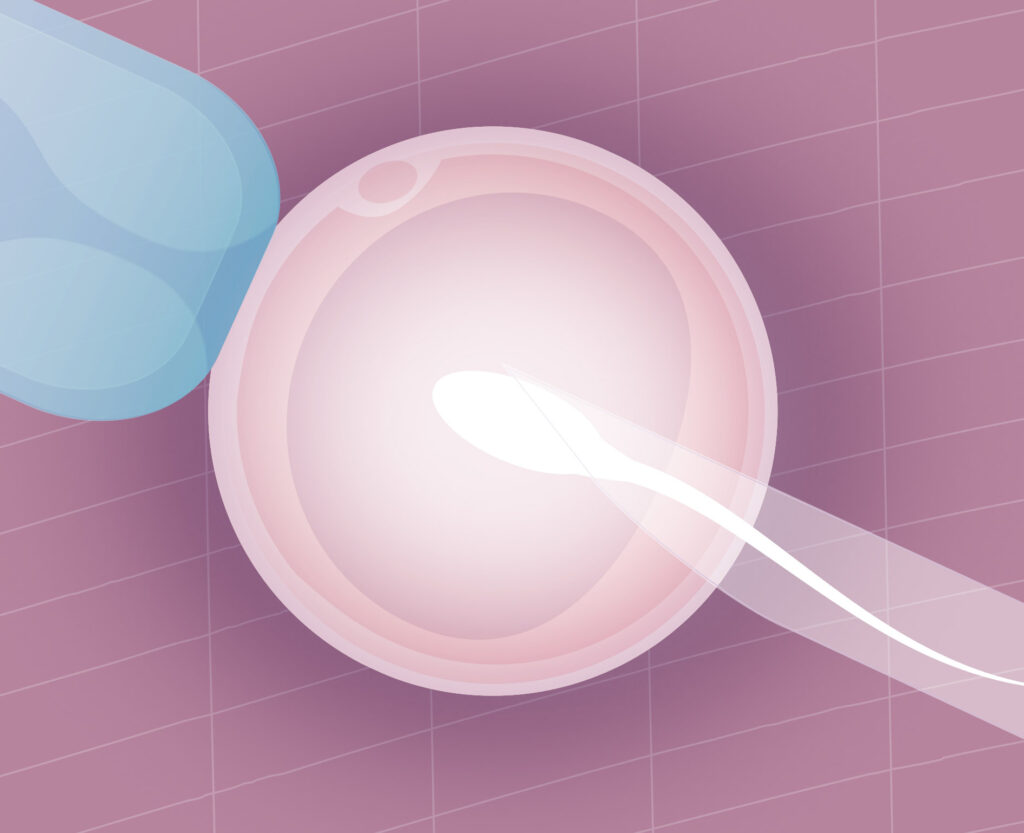
In vitro fertilization is an assisted reproduction technique in which the union of the egg and the sperm takes place outside the woman’s body, in a specialized laboratory.
Once the embryo is obtained, it is transferred to the uterus to continue its development and result in a pregnancy.
IVF has been used for decades and is a safe, effective, and widely proven technique, indicated for different fertility problems in both women and men.
When is IVF recommended?
In vitro fertilization may be indicated in situations such as:
- Difficulty achieving pregnancy after natural attempts
- Fallopian tube problems
- Semen alterations
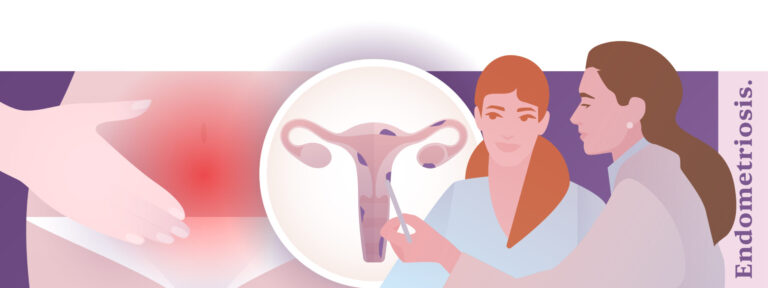
- Endometriosis
- Advanced maternal age
- Previous artificial insemination failures
- Need for egg or sperm donation
Each case must be evaluated individually by a specialized medical team.
In vitro fertilization: how to achieve an IVF pregnancy step by step
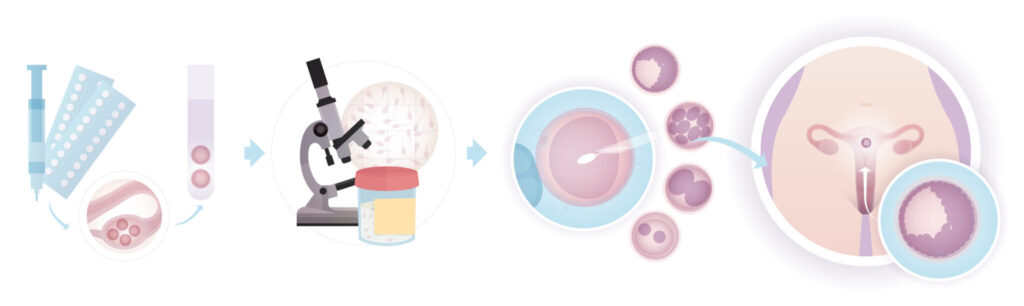
To fully understand what an IVF pregnancy entails, it is important to first know the phases of the treatment.
-
Previous fertility study
Before starting IVF, a comprehensive medical study is performed, which may include:
- Hormonal blood tests
- Gynecological ultrasound
- Semen analysis
- Infectious disease tests
- Assessment of the uterus and ovarian reserve
This study allows the treatment to be personalized and increases the chances of success.
-
Ovarian stimulation
The woman undergoes hormonal treatment to stimulate the ovaries and ensure several eggs mature in the same cycle.
During this phase, ultrasound and blood tests are performed to adjust the medication and guarantee the safety of the process.
-
Egg retrieval
When the eggs are mature, they are extracted through an ovarian puncture (egg retrieval), a simple outpatient procedure performed under sedation.
That same day, the semen sample is collected, or previously frozen sperm is used.
-
Fertilization and embryo culture
The eggs are fertilized in the laboratory using conventional IVF or intracytoplasmic sperm injection (ICSI).
The embryos are cultured for several days, and their quality is evaluated before deciding which one will be transferred to the uterus.
-
Embryo transfer
The embryo transfer is a quick and painless procedure in which the embryo is placed inside the uterus.
After the transfer begins the so-called two-week wait (TWW), the period until the pregnancy test.
What is an IVF pregnancy like?
One of the most common questions is whether an IVF pregnancy is different from a natural pregnancy.
The answer is clear: once pregnancy is achieved, the evolution is exactly the same.
The embryo implants in the uterus, and the development of the pregnancy follows the same steps as in any other gestation.
First weeks after IVF
During the first few weeks:
- Hormonal support treatment is usually maintained
- More frequent medical check-ups are performed at the beginning
- Gestation is confirmed by ultrasound
These precautions do not mean that the pregnancy is higher risk, but rather that a closer follow-up is carried out at the beginning.
Does an IVF pregnancy have more risks?
Available evidence does not indicate that IVF itself is an independent obstetric risk factor.
Pregnancy risks are more related to factors such as:
- Maternal age
- Previous health status
- Single or multiple pregnancy
Currently, single embryo transfer is a standard practice, which has significantly reduced the risk of multiple pregnancies.
Leading scientific societies, such as the Spanish Fertility Society (SEF), consider in vitro fertilization a safe technique when properly indicated and monitored.
Differences between a natural pregnancy and an IVF pregnancy
From a medical and biological point of view:
- Implantation is the same
- Fetal development is the same
- Obstetric monitoring is similar
The main difference lies in how the pregnancy is achieved, not in how it evolves afterward.
Chances of an IVF pregnancy
IVF success rates depend on several factors, including:
- Woman’s age
- Egg and sperm quality
- Condition of the uterus
- Technique used
In young women with a good ovarian reserve, the chances of an IVF pregnancy are high and comparable to other treatments using their own eggs.
Emotional aspects of an IVF pregnancy
The in vitro fertilization process can be emotionally intense. For this reason, many people experience an IVF pregnancy with a mix of excitement, relief, and caution.
It is normal to feel more concerned during the first few weeks, especially if the road to achieving pregnancy has been long.
Medical and emotional support is a fundamental part of the process.
Conclusion: IVF pregnancy, what should you know?
In summary, an IVF pregnancy is, once achieved, just like any other pregnancy.
IVF is a safe, effective, and proven technique that has allowed millions of people to fulfill their desire to become mothers and fathers.
With a good prior study, proper medical follow-up, and a personalized approach, in vitro fertilization is today a solid and reliable option within assisted reproduction.