Skip to content


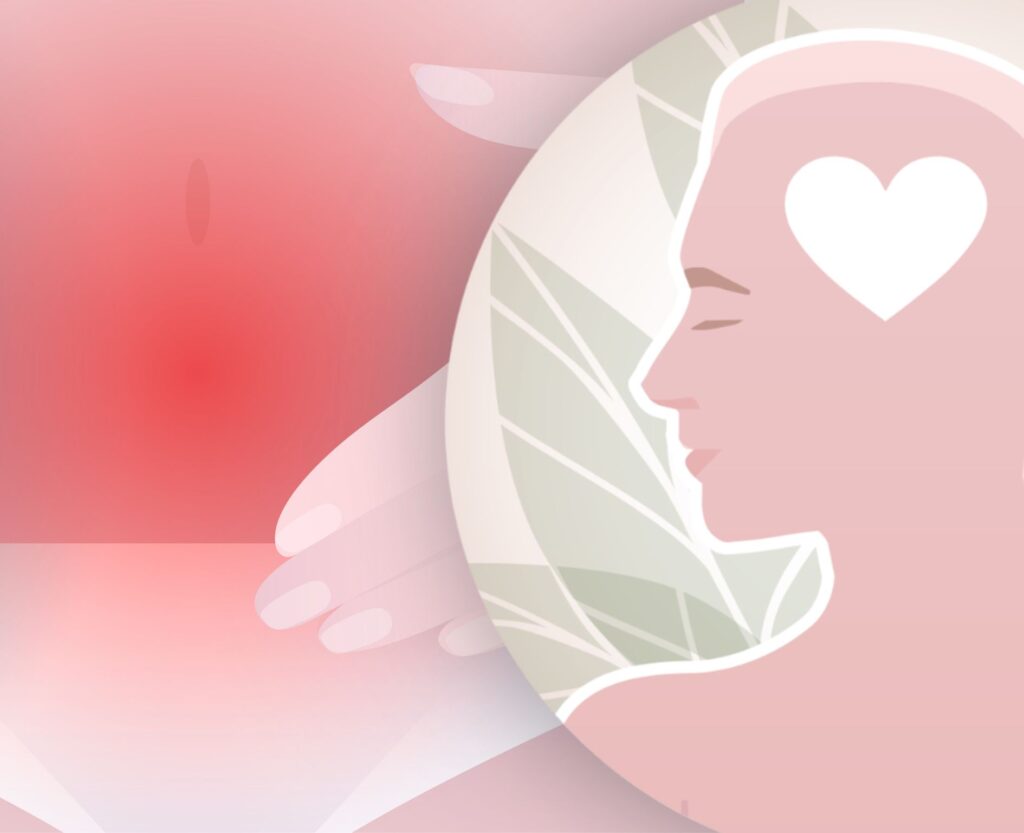
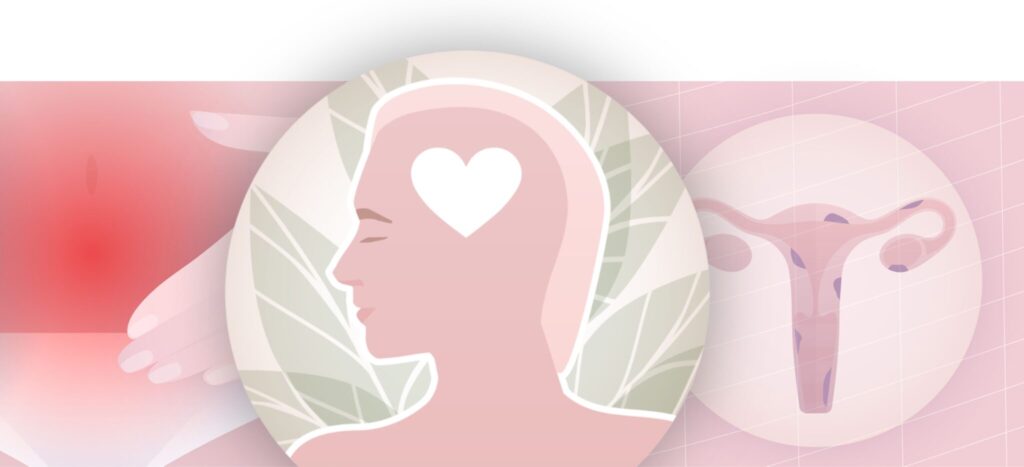
Endometriosis is a chronic condition that affects approximately 1 in 10 women of reproductive age. Traditionally, when we talk about this disease, we focus on its physical symptoms: severe pelvic pain, painful periods, and potential challenges when trying to get pregnant. However, there is another side of the coin that often goes unnoticed and is equally important: the psychological impact.
For many patients, living with a chronic disease and, at times, delayed diagnosis, generates profound emotional exhaustion. Frustration, social misunderstanding, and constant pain can open the door to mental health issues that need to be validated and treated.
In this article, we will explore the close relationship between endometriosis and emotional well-being based on recent scientific research. Our goal is to provide you with clear and reassuring information so that you know that if you feel overwhelmed, you are not alone and there are ways to improve your quality of life.
What is endometriosis and why does it affect mental health
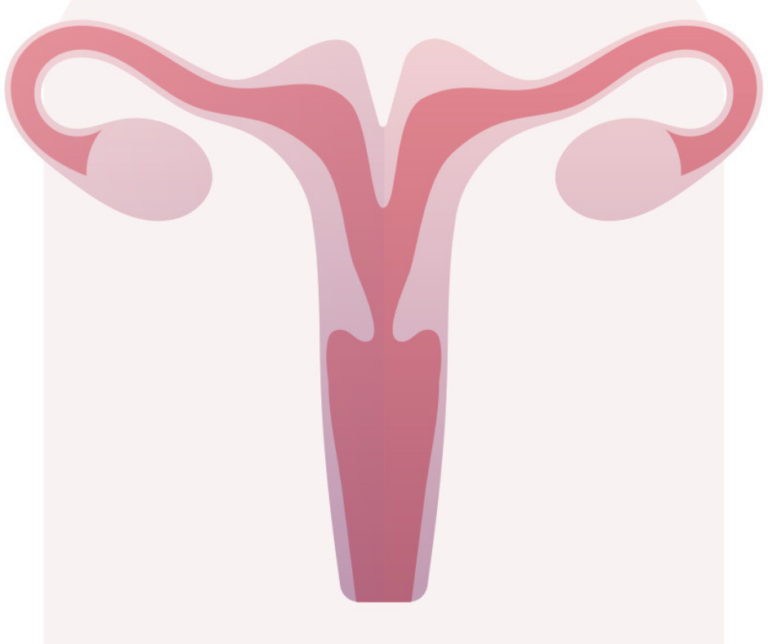
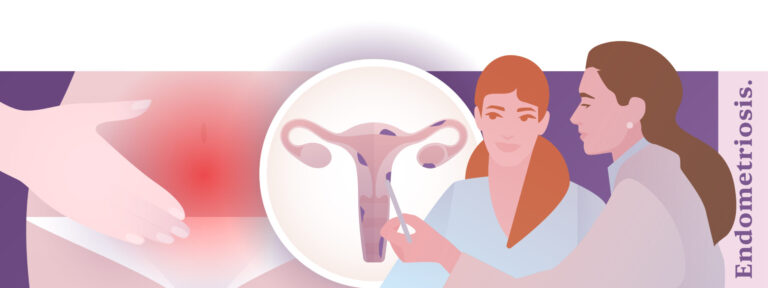
Endometriosis occurs when tissue similar to the lining of the uterus (endometrium) grows outside of it, causing inflammation, adhesions, and pain. But its effects go far beyond the pelvis.
Recent and comprehensive studies, such as the ComPaRe-Endometriosis study (which analyzed over 10,000 women), have shown that this pathology is not the same for all patients. The research identified several “comorbidity profiles” (associated diseases), highlighting one specifically linked to depression and anxiety.
Research reveals that patients with endometriosis have significantly higher rates of emotional problems compared to healthy women:
- Depression: 18.9% compared to 9.3%.
- Anxiety: 29.7% compared to 7.0%.
Interestingly, the psychological profile detected in the studies shows that these alterations can appear even in the early stages of the disease (stages I and II) and are frequently associated with the onset of the first symptoms before the age of 13.
Chronic pain: the major mediator
Why does endometriosis affect mood so much? Science points to a main culprit: chronic pelvic pain.
Pain is not just a physical sensation; it is an experience that depletes energy reserves and alters the nervous system. It has been proven that the presence of psychiatric disorders correlates much more strongly with the intensity of pain than with the physical severity or the stage of endometriosis.
When the body is subjected to constant pain:
- Cortisol levels increase: The stress hormone is chronically elevated, keeping the body in a harmful state of alert.
- Sleep quality is altered: Poor rest worsens fatigue and decreases the ability to cope with daily life.
- Negative thoughts appear: It is common to fall into what psychology calls “catastrophizing”, a pattern of negative thoughts where pain monopolizes all attention, independently affecting quality of life, self-esteem, and self-efficacy.
Other comorbidities: microbiota, gut, and eating behaviors
The human body is deeply connected. Current scientific research has found surprising links between endometriosis and other body systems that also impact mental health.
Irritable bowel syndrome and microbiota
Many women with endometriosis also suffer from digestive issues, such as Irritable Bowel Syndrome (IBS). It has been observed that alterations in the gut microbiota and pelvic inflammation share communication pathways with the brain. Women who suffer from both conditions (endometriosis and IBS) show significantly higher anxiety and depression scores.
Eating disorders (ED) and body image
A fascinating genetic and phenotypic finding is the association between endometriosis and eating disorders (ED). Severe pelvic pain can correlate with compromised attitudes or emotions towards food. In addition, hormonal treatments, abdominal bloating (“endo belly”), and surgeries cause up to 77.3% of patients to experience alterations in the perception of their body image.
Endometriosis, fertility, and its emotional burden
One of the moments of greatest psychological vulnerability for endometriosis patients arrives when they desire to become mothers. Endometriosis can make conception difficult, and an infertility diagnosis adds an extra layer of stress, fear, and uncertainty.
Treatment options, assisted reproduction procedures, or ovarian suppression can be accompanied by hormonal fluctuations that impact mood. Furthermore, social stigma and the feeling that the “biological clock is ticking” are factors that weigh heavily.
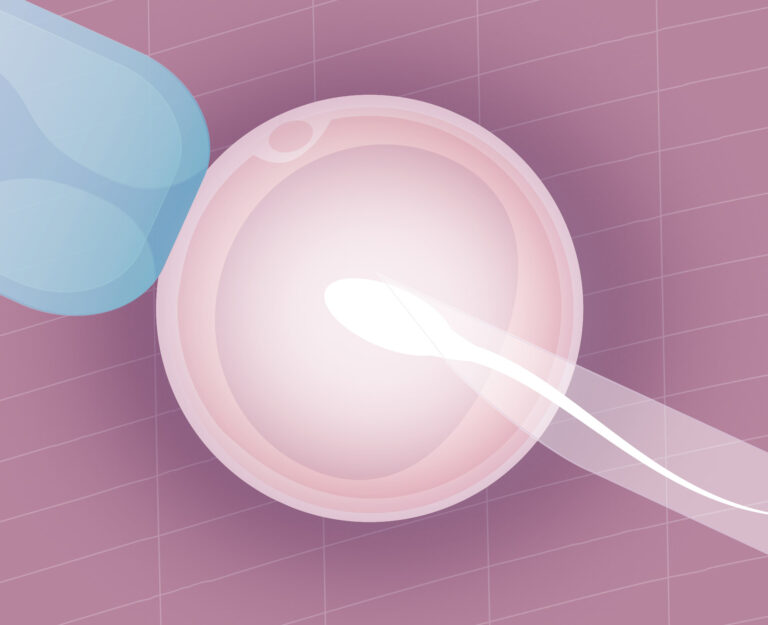
In these cases, it is crucial to know that reproductive medicine has advanced tremendously. In specialized clinics, personalized strategies are designed (from fertility preservation to In Vitro Fertilization) to help patients fulfill their dream of starting a family. It is vital to surround yourself with empathetic professionals who understand not only your medical history but also your emotional state.
Strategies to improve your overall well-being
Addressing endometriosis requires a multidisciplinary approach. It is not just about silencing physical pain, but about recovering your quality of life:
- Psychological support: Cognitive-behavioral therapy has proven to be very effective in managing chronic pain, reducing anxiety, and working on self-esteem.
- Specialized nutrition: An anti-inflammatory diet, guided by a nutritionist, can improve irritable bowel symptoms and balance the gut microbiota.
- Timely reproductive counseling: If you are worried about your fertility, evaluating your ovarian reserve and knowing your options early significantly reduces anxiety. You can consult the adapted fertility treatment options at Next Fertility.
Each case must be evaluated by a specialist. It is important to consult with a specialized medical team to design a safe roadmap adapted to your personal needs.
Frequently Asked Questions (FAQ)
Is it normal to feel depression or anxiety if I have endometriosis?
Yes, it is completely normal. Medical research confirms that endometriosis patients are twice as likely to develop anxiety or depression compared to women without the disease. It is not “something in your head”, it is a medical and psychological consequence of chronic pain and inflammation.
Does stress worsen endometriosis symptoms?
Chronic stress increases cortisol levels in the body, which can promote pro-inflammatory states and increase pain perception. Learning to manage stress through therapy and relaxation techniques is an important part of comprehensive treatment.
When should I see a mental health or fertility specialist?
It is recommended to seek psychological support if you feel that pain, sadness, or frustration are limiting your daily life, sleep, or relationships. On a fertility level, if you have endometriosis and wish to become a mother (or preserve your eggs for the future), ideally you should visit an assisted reproduction clinic as soon as possible to get a clear diagnosis and viable options.
Can you become a mother having endometriosis?
Of course, you can. Although endometriosis can make natural pregnancy difficult in some cases, many women manage to become mothers. There are multiple assisted reproduction treatments, such as Artificial Insemination or In Vitro Fertilization (IVF), which offer excellent chances of success.
Conclusion
Endometriosis is much more than monthly physical pain; it is a complex pathology that encompasses clinical, social, and emotional spheres. Recognizing comorbidity profiles such as depression, anxiety, or digestive problems is a giant step in modern medicine, because it allows us to treat the woman as a whole, not just her disease.
If you live with endometriosis, remember that your emotions are valid. Addressing your mental health care is just as fundamental as gynecological or reproductive treatment. With a multidisciplinary medical approach, empathy, and the right tools, it is possible to recover well-being, relieve pain, and, if it is your desire, achieve a successful pregnancy.
Bibliography and sources of interest:
- ComPaRe-Endometriosis Cohort study on comorbidity profiles and chronic conditions.
- Data on associated psychological disorders and meta-analysis in chronic pelvic pain (PubMed Central).
- Information on reproductive well-being at Next Fertility.